
I was the first one to arrive at Stephanies house. Even though I’d never been there before, I knew when I knocked on the front door and there was no answer to go to the back yard.
Stephanie was already working, wearing a floor length apron and rubber gloves up to her elbows, dipping a damp cotton skirt into the vat of natural indigo dye.
Next to the vat was another tub of water for rinsing the fabric. Between two maples, was a makeshift clothes line, the ropes held up by six or seven tall forked branches.
Stephanie had emailed me early in the week asking if I’d like to share her indigo dye vat. I didn’t hesitate, writing back asking where and what time.

I had with me the things Stephanie told me I’d need. Rubber gloves, junky clothes, a peanut butter and jelly sandwich with two small apples and a stack of white vintage hankies trimmed in lace.
We got right to work. Stephanie’s years of teaching weaving and dyeing was evident in the way she casually and clearly instructed me what to do. I was a bit familiar with natural dyeing from the workshop I took with Stephanie and Suzanna last summer.
But today was different.
Stephanie dyes with natural indigo about two times a year. When she does she often invites other women to join her. Being invited felt like a privilege to me. I was eager to work, learn and be a part of tradition that humans have been doing for thousands of years.
Stephanie was expecting a few more people to arrive but she wasn’t waiting for anyone. I helped her hang some of the garments and fabric she had rinsed after three minutes in the dye vat.
Then I soaked the hankies I’d folded and tied with rubberbands, my own version of Shibori, (the Japanese art of tying, stitching, folding and dyeing fabric) in a smaller bucket. I didn’t stop soaking, rinsing, hanging them on the line and repeating the process five or six times till the end of the day.
At some point Stephanie’s neighbors were walking their dogs and came over to see what was going on.
Three generations of women, the youngest girls old enough to be interested in what we were doing. Stephanie invited them to bring a tee shirt over and dye it. She spent a good amount of time teaching one of the girls, who wanted to learn, how to dye her clothes to make them indigo blue.
Soon Adina, her three year old daughter and Susannah pulled into the driveway. I knew them all, along with Stephanie, from the Community Weaving Project last summer. That’s when I, along with anyone else who wanted to, got to weave a rag rug on Stephanie’s three hundred year old loom.
Adina had some clothing to dye and her daughter sat and played by herself the whole time. I was impressed by her ability to entertain herself.

At one point I sat on the grass in front of Susannah who had a basket of wool balls and a bowl of soapy water in her lap. She was felting the naturally dyed balls that would become the heads of her puppets. Like Stephanie, Susannah has been weaving and using natural dyes for many years.
Susannah and I started talking sheep and she told me how she first got sheep because she was curious about the references to them in the bible.
She talked about how smart sheep are, despite their reputation of only being followers, how they each play a different roll in the flock, and how they look to the shepherd for guidance. I wanted to hear Susannah’s stories.
A shepherd like myself, I found we had the similar feeling and insights about our sheep.

Stephanie’s sister Micky was the last to show up. She had a bin filled with linens, but also shirts that she used Shibori dyeing techniques on to create unique clothing.
While Stephanie and I hung one of the old sheets that she had dyed and would eventually use in her woven rag rugs, I asked her why she invited people to share her dye vats with her.
She told me she liked to be around women who had a love of fiber and fabrics.
I know just what she means.
Working with fiber, whether its wool, linen, the milkweed that Adina combines with llama’s wool and hand spins, or repurposed fabric to be made into rag rugs and quilts, is ancient and holistic. Especially when it involves caring for the animals and plants that are the source of the fiber, which eventually become the clothes we wear, the blankets we cover ourselves with and the rugs we walk on.
The work itself and working together is what makes a day like yesterday special.
And of course the people. Stephanie had invited us to be there, but when the kids from next door showed up she was happy to have them join in.
As the day was ending the girls came back. This time they were playing around the clothesline, doing cartwheels under the indigo dyed sheets and linens hanging there.

As I helped Stephanie clean up at the end of the day, she showed me her weaving studio in the attic of the barn. A magical space filled with floor looms, fibers and fabrics.
I left Stephanies with my bag filled with a stack of indigo dyed vintage hankies, yellow rubber gloves turned blue, and two apple cores. Stephanie and Micky gave me a hug in the driveway.
“My indigo friends,” I said them.
Then I walked towards town where I would meet up with Jon so he could drive us home. Smiling and sweaty from the day, clothes and hands stained blue with indigo.

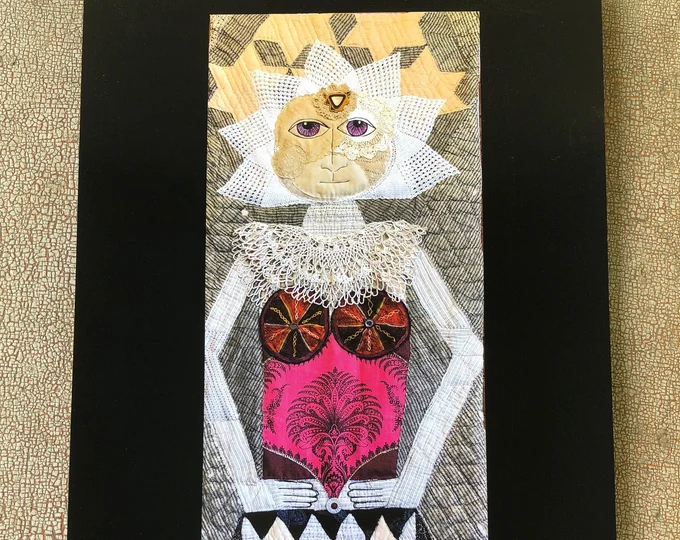
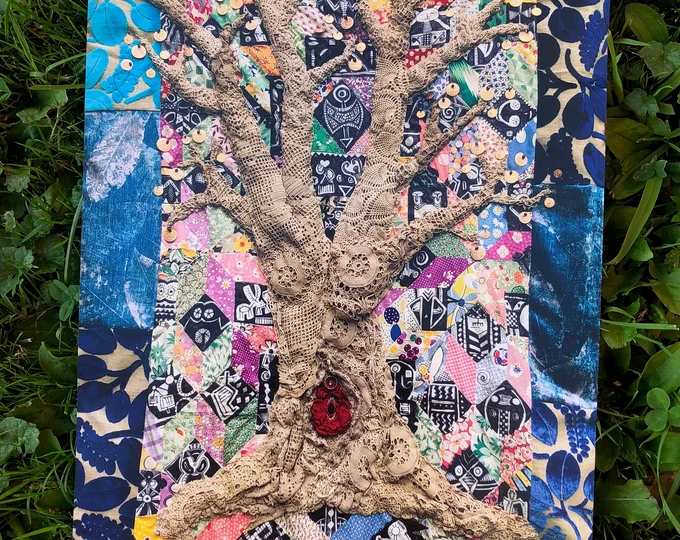
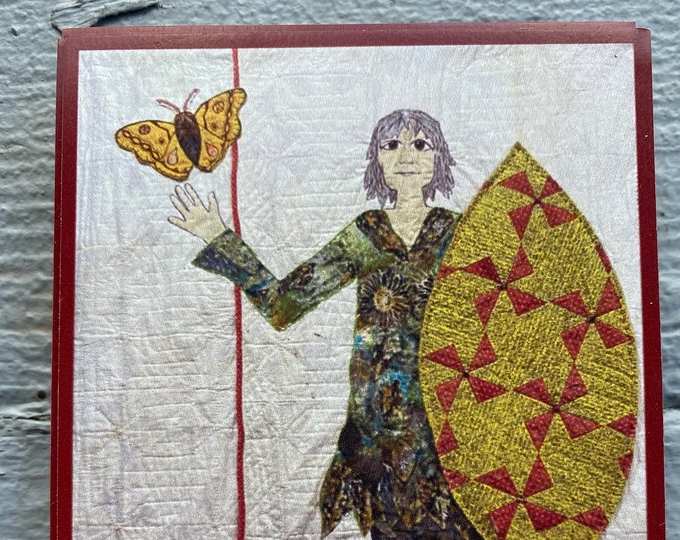
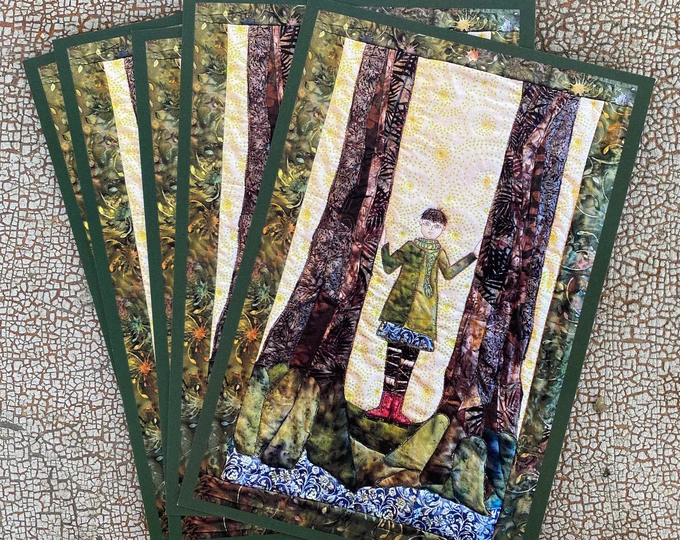
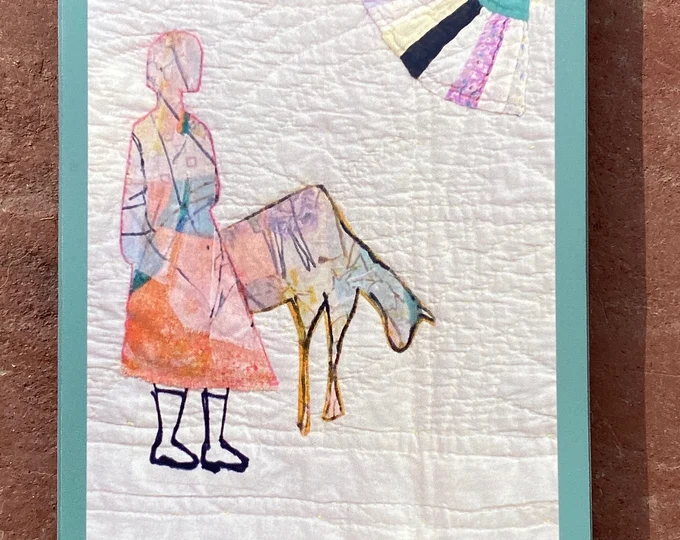
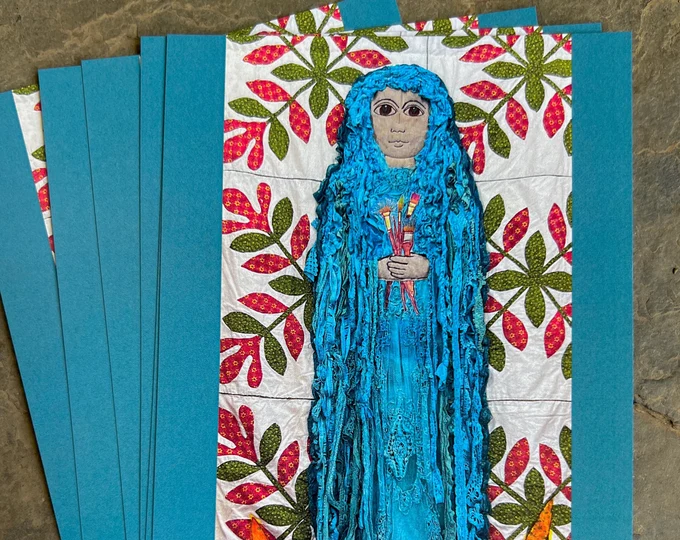
Both Stephanie Morton and Susannah White sell their art at the Valley Artisans Market in Cambridge. You can see some of it here.



This is fascinating! I look forward to seeing your indigo pieces!
Oh glad you enjoyed it Fran!
Fabulous. I loved this day for you Maria.
Thanks Maggie. :)